The Night Dance Revolution: How Couple Mode Redefined Social Identity in Audition Online
Introduction
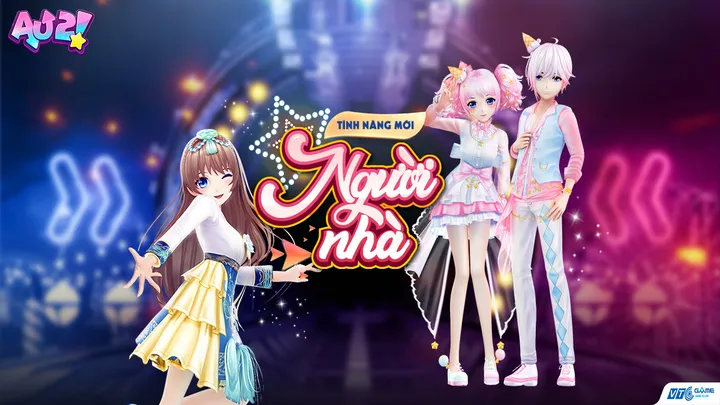
When Audition Online first appeared in internet cafés across Asia during the mid-2000s, most players entered the game expecting a rhythm challenge. They saw glowing arrows, energetic K-pop tracks, colorful avatars, and flashy dance stages. Yet after only a few hours inside the game, many players discovered that the true center of Audition Online was never the music alone. It was the social system hidden behind the dance floor. More specifically, it was Couple Mode.
Unlike traditional rhythm games focused entirely on score mastery, Audition Online transformed synchronized dancing into a form of emotional performance. Couple Mode became the emotional engine of the game, turning random players into partners, partners into recognizable social identities, and eventually entire communities into digital societies built around relationships. In internet cafés from Vietnam, Thailand, Indonesia, the Philippines, and South Korea, players logged in not merely to improve accuracy but to participate in rituals of companionship, reputation, jealousy, romance, and visibility.
This transformation permanently changed the identity of Audition Online. The game evolved from a competitive rhythm experience into something much more culturally significant: a virtual nightlife ecosystem where relationships mattered as much as mechanics. Couple Mode introduced emotional stakes into gameplay, creating an atmosphere where fashion, timing, music preference, social status, and emotional loyalty became interconnected systems. For many players, the dance floor was not simply a stage. It was a social territory where identity was negotiated every night.
The Early Rhythm Era Before Couple Culture
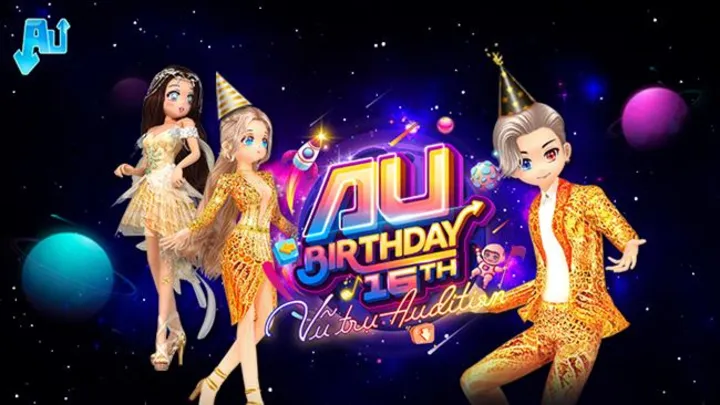
During the earliest period of Audition Online, gameplay revolved primarily around technical rhythm performance. Players entered rooms focused on combos, beat timing, and high-score rankings. The visual style already suggested social interaction, but emotionally the experience remained competitive rather than relational. Dance rooms resembled arcade arenas where players attempted to outperform strangers using increasingly difficult patterns.
In those first years, player recognition came from skill indicators. Fast hands, advanced freestyle control, and consistent perfect chains determined respect. Internet cafés often became small local battlegrounds where teenagers challenged each other publicly. Reputation depended on visible performance. Strong players developed identities associated with mechanical precision rather than emotional presence.
The Structure of Early Competitive Rooms
Most public rooms in the beginning followed a familiar pattern:
- High BPM music selections
- Strict score competition
- Minimal social conversation
- Quick room turnover
- Spectator-focused gameplay
Even avatar customization initially served competitive vanity more than emotional expression. Clothing signaled status, but relationships between players were temporary. Interaction often ended the moment a match concluded. Audition Online was social in appearance, yet emotionally shallow in practice.
The Arrival of Couple Mode and Emotional Gameplay
Everything changed when Couple Mode emerged as a major feature. Instead of emphasizing isolated performance, the mode required synchronization between two players. Suddenly, timing accuracy was no longer purely individual. Success depended on harmony, communication, and rhythm compatibility.
This seemingly simple adjustment produced enormous psychological consequences. The game no longer rewarded only reflexes. It rewarded connection. Players now searched for reliable partners rather than merely strong opponents. Dance sessions became recurring appointments between familiar names. Emotional continuity entered the gameplay loop.
The Symbolism of Pair Synchronization
Couple Mode carried symbolic weight far beyond mechanics. Successful synchronization represented trust and compatibility. Matching movements created the illusion of emotional chemistry even between strangers. As rounds continued, players projected personality traits onto timing consistency, song selection, and dancing style.
Several emotional interpretations became common within the community:
- Missed combos suggested nervousness or distraction
- Perfect synchronization implied chemistry
- Matching outfits represented loyalty
- Exclusive partnerships signaled commitment
- Frequent partner switching suggested instability
These interpretations transformed gameplay into social theater.
The Birth of Digital Romance Inside Internet Cafés
Couple Mode flourished during the golden age of internet cafés. This environment intensified emotional immersion because players often spent entire evenings online together. Unlike modern mobile gaming sessions lasting only minutes, Audition communities gathered for hours every night. The game became a persistent social venue.
Many players began entering the game specifically to spend time with one person. Actual gameplay occasionally became secondary. Some couples remained inside private rooms talking between songs, changing outfits together, or waiting for friends to arrive. Dance mechanics operated as background activity supporting social intimacy.
The Internet Café as a Shared Emotional Space
The physical setting amplified the emotional atmosphere:
- Rows of glowing monitors created nightclub-like immersion
- K-pop music echoed across the café
- Friends observed each other’s relationships in real time
- Public visibility intensified jealousy and competition
- Late-night gaming sessions created emotional bonding
For many teenagers, Audition Online became their first experience with digital romance. The emotional intensity felt real because the relationships developed through repeated interaction, visual identity, and shared rituals.
The Evolution of Couple Rings and Status Symbols
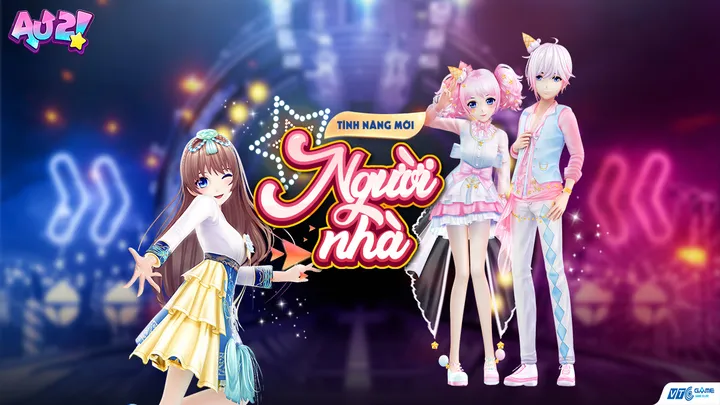
One of the most influential additions to Couple Mode was the ring system. Couple rings transformed relationships into visible public achievements. The ring acted simultaneously as decoration, social proof, and emotional declaration. Once equipped, every room became a stage where relationship status could be displayed.
The importance of rings extended far beyond aesthetics. Different ring levels indicated commitment duration and gameplay investment. High-level couple rings became respected symbols within the community. Other players recognized veteran couples immediately upon entering a room.
Why Virtual Rings Became Emotionally Valuable
Several factors contributed to the emotional attachment surrounding rings.
Persistence
Unlike ordinary matches, rings remained permanently visible until relationships ended.
Shared Progression
Ring upgrades required mutual participation and time investment.
Public Recognition
Other players instantly identified established couples.
Emotional Memory
Each ring level represented accumulated experiences and shared sessions.
As a result, losing a couple ring through breakup mechanics often carried genuine emotional weight. Some players treated ring deletion almost like symbolic heartbreak.
Fashion Synchronization and the Rise of Couple Identity
Audition Online already possessed an extensive avatar customization system, but Couple Mode gave fashion deeper meaning. Clothing stopped being purely individual expression. Instead, coordinated outfits became visual declarations of partnership.
Matching color palettes, synchronized accessories, and mirrored hairstyles became widespread trends. Entire communities developed around evaluating aesthetic compatibility between couples. Players spent enormous amounts of in-game currency designing coordinated appearances.
The Language of Matching Outfits
Fashion combinations communicated subtle social messages:
- White outfits symbolized elegance and purity
- Black streetwear suggested exclusivity
- Luxury accessories indicated wealth or veteran status
- Matching pets reinforced partnership identity
- Seasonal themes demonstrated dedication
Some couples became locally famous inside servers because of their visual coordination alone. Their identities existed almost like celebrity personas within the community. Screenshots circulated through forums and social media pages, further expanding digital reputation.
The Emotional Economy of Jealousy and Competition
As Couple Mode expanded, emotional competition intensified across servers. Attention became a form of currency. Popular players attracted invitations constantly, while exclusive couples developed reputations for loyalty or drama. Emotional tension emerged naturally inside public dance rooms.
Jealousy became embedded within the social structure of the game. Players monitored interactions closely. Dancing repeatedly with another partner could trigger arguments. Public room behavior carried emotional consequences that extended beyond gameplay sessions.
How Social Drama Sustained Player Retention
Ironically, emotional tension strengthened community longevity. Drama created narrative continuity between sessions. Players returned nightly not only for music but to continue unfolding social situations.
Common community conflicts included:
- Partner stealing accusations
- Public breakup announcements
- Competitive fashion rivalries
- Jealous reactions during freestyle sessions
- Friend-group loyalty disputes
These conflicts made servers feel alive. Every room contained unpredictable emotional dynamics, turning ordinary dance sessions into social spectacles.
The Influence of K-pop and Asian Pop Culture
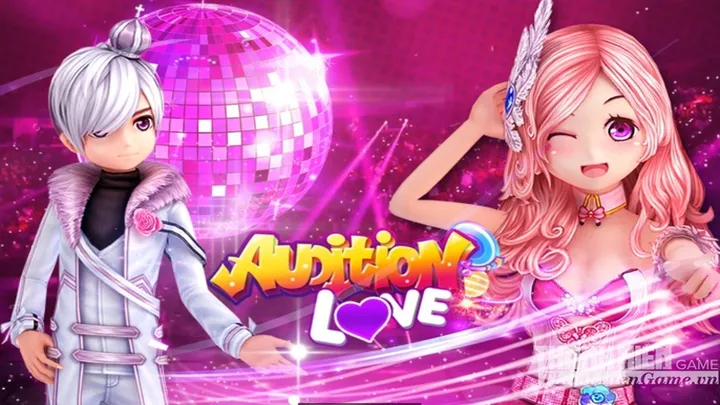
Couple Mode succeeded partly because it aligned perfectly with the rise of Asian pop culture during the 2000s. K-pop aesthetics emphasized synchronized performance, coordinated fashion, emotional storytelling, and visual chemistry between performers. Audition Online translated those entertainment values into interactive form.
Players did not merely control avatars. They participated in fantasy versions of idol culture. Dancing together under neon lights while wearing coordinated outfits mirrored the imagery dominating music videos and television programs across Asia.
Music as Emotional Architecture
Song selection dramatically shaped social atmosphere inside rooms.
Slow Songs
Ballads encouraged emotional interaction and sentimental conversation.
Energetic Pop Tracks
Fast BPM songs intensified competition and excitement.
Romantic Tracks
Certain songs became culturally associated with proposals, anniversaries, or virtual weddings.
The soundtrack therefore functioned as emotional architecture guiding social behavior. Different playlists produced different relationship atmospheres.
Virtual Weddings and Ritualized Relationships
Eventually, Audition Online expanded Couple Mode into formalized marriage systems. Virtual weddings represented one of the most significant moments in the game’s social evolution. Relationships now possessed ceremonial structure.
Wedding events attracted spectators, screenshots, gifts, and server-wide recognition. Players prepared extensively for ceremonies, purchasing outfits and organizing guest attendance. These events blurred the boundary between roleplay and emotional reality.
The Ceremony as Community Performance
Virtual weddings functioned as public performances of commitment. The structure often included:
- Formal invitations
- Matching ceremonial costumes
- Friend attendance
- Music selection planning
- Screenshot sessions
- Gift exchanges
Even players who viewed the system casually still participated in its emotional atmosphere. Weddings became major social events within servers, strengthening community cohesion.
The Transformation from Game to Social Platform
By the late 2000s, Audition Online no longer behaved like a traditional rhythm game. It had effectively evolved into a social platform disguised as a rhythm experience. Couple Mode accelerated this transformation by rewarding emotional continuity rather than isolated sessions.
Many users logged in without intending to compete seriously at all. Instead, they treated the game as a digital hangout space comparable to a virtual café or nightclub. Dance mechanics supported conversation, reputation building, and relationship maintenance.
Features That Encouraged Social Persistence
Several systems reinforced long-term emotional investment:
- Persistent friend lists
- Private messaging
- Relationship tracking systems
- Shared progression mechanics
- Fashion economies
- Community guild structures
This persistence distinguished Audition Online from most rhythm games of its era. Players were not simply mastering songs. They were maintaining identities inside a living social ecosystem.
The Decline of the Golden Era and Nostalgic Memory
As gaming culture shifted toward mobile platforms and social media ecosystems evolved, the dominance of Audition Online gradually weakened. Internet cafés lost cultural centrality in many regions. Short-form mobile entertainment replaced long nightly sessions.
Yet despite declining mainstream popularity, memories associated with Couple Mode remained unusually powerful. Former players often recall emotional experiences more vividly than gameplay mechanics. They remember usernames, relationships, songs, outfits, and café atmospheres years after forgetting combo patterns.
Why Nostalgia Around Audition Feels Different
Audition nostalgia differs from ordinary gaming nostalgia because it revolves around emotional memory rather than achievement memory.
Players frequently remember:
- Who they danced with
- Specific relationship anniversaries
- Favorite couple songs
- Late-night café sessions
- Virtual weddings
- Friend-group drama
The emotional intensity of adolescence combined with persistent digital interaction created memories resembling real social history rather than ordinary gameplay recollection.
The Lasting Legacy of Couple Mode in Online Gaming
The influence of Audition Online’s Couple Mode extends far beyond its own player base. Many modern online games now incorporate relationship systems, synchronized emotes, shared housing mechanics, matchmaking events, and social progression features. These systems owe part of their cultural foundation to experiments pioneered by Audition.
More importantly, the game demonstrated that emotional engagement could become a central retention mechanic. Developers learned that players often remain loyal not because of content volume alone, but because of social attachment. Couple Mode proved that emotional systems could sustain communities for years.
The Hidden Innovation of Audition Online
The true innovation of Audition Online was not its rhythm gameplay. Rhythm games already existed before it. Its real breakthrough involved converting synchronized movement into emotional identity.
The game successfully merged:
- Music performance
- Visual self-expression
- Social visibility
- Relationship symbolism
- Persistent emotional progression
That combination created an online environment unlike almost anything else during its era.
Even today, former players continue discussing their experiences through forums, videos, nostalgic playlists, and reunion communities. Many no longer remember exact scores or rankings, but they remember the feeling of entering a dance room late at night and seeing a familiar partner waiting under glowing neon lights. That emotional memory became the real legacy of Couple Mode.
Audition Online ultimately revealed something larger about online gaming culture itself. Players were not only seeking entertainment. They were searching for spaces where identity, emotion, performance, and companionship could merge into a shared digital experience. Couple Mode transformed dancing into social storytelling, and in doing so, it permanently changed what many players believed online games could become.
Conclusion
Couple Mode transformed Audition Online from a rhythm game into a digital social universe shaped by relationships, emotional performance, fashion identity, and virtual companionship. Its systems encouraged players to build memories rather than merely chase scores, creating one of the most emotionally distinctive online gaming communities of the 2000s. Even years later, the cultural impact of those synchronized dance floors continues to survive through nostalgia, community memory, and the emotional stories players still carry from that era.